Certain of light!
Transformers are an important link in the continuity of your lighting installation. Make sure you have a backup.
Know what to consider when storing energy
Berry Looijen, Technical Specialist, advises horticultural companies in Europe on energy strategies. He highlights the importance of energy storage due to limited grid capacity. Stored energy facilitates self-consumption during sunless periods and can be traded profitably, offering a new revenue stream for horticulture.
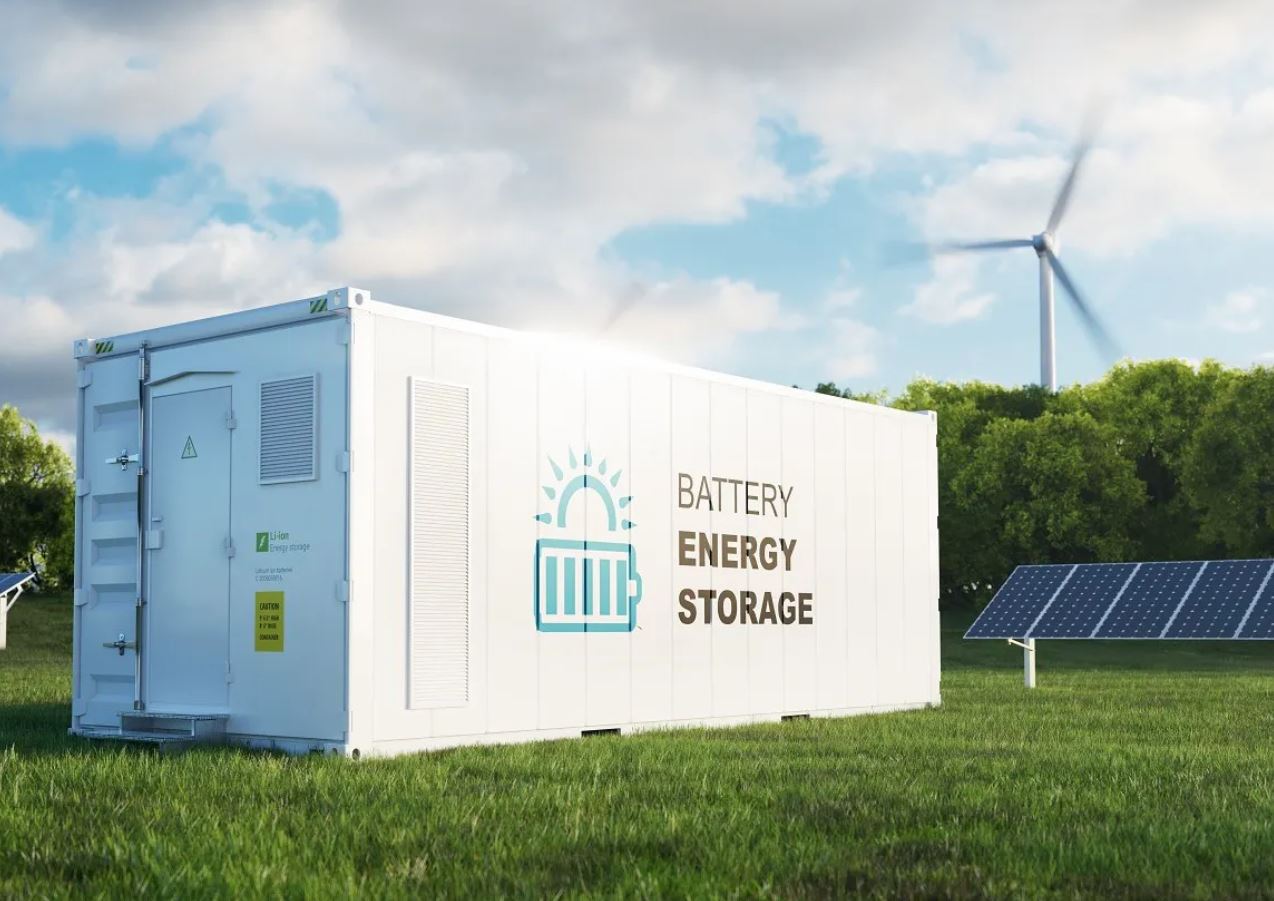
Lithium compounds are flammable and can release toxic gases and vapors. Meanwhile, everyone is familiar with lithium-ion batteries and accumulators from devices like cordless drills (0.1 kWh), electric bicycles (1 kWh), and electric cars (75 kWh). The energy storage systems at more and more agricultural companies range from refrigerator size to multiple shipping containers and have a capacity of up to 5 MWh. "Then you have serious chemistry on your farm," Berry states. "Battery systems consist of lithium compounds, which are (fire) hazardous and can release toxic gases and vapors in case of fire. When storing energy in large quantities at an agricultural company, these are factors to seriously consider." Choose an outdoor location at a safe distance. Energy storage systems come with risks. "Fire is the first thing to be aware of," says Berry. "The smoke gases released in a fire are highly toxic. It is important when choosing the location to consider which direction any smoke will go at your company. You want to keep this away from people and animals. Using water to extinguish such fires causes pollution with significant environmental damage. And with an energy storage system, a fire can sustain itself. We call this a 'thermal runaway,' which is hardly extinguishable, only cooling. Sometimes it takes days to control this kind of overheating." Being aware of potential risks allows for appropriate measures to be taken. "Keep energy storage systems at a safe distance from your agricultural operations and places with people," Berry advises. "If there is insufficient space, consider other solutions. For example, a concrete partition can prevent heat from radiating onto buildings." Take precautions. "Choosing the right location and ensuring the presence of fire detection with an appropriate extinguishing system is something you can arrange beforehand," Berry continues. "For controlled burning of an energy storage system, it's smart if you can fill the container with water. However, you need the right connections and sufficient water capacity for this." Another tip from Berry: "With a good battery management system (BMS), you have insight into and control over the condition and lifespan of your batteries. Your supplier can help you with setup and provide explanations on its usage. This results in a safer energy storage system for you. Develop a contingency plan when installing an energy storage system. Your supplier, fire department, and insurer can assist you with this. Involve the right people. A word to the wise is sufficient, and two heads are better than one. This applies to such investments as well. Just like with the installation of solar panels, as the client, you deal with many different parties. "Supplier, builder, installer, energy trader, insurer, it can be challenging," Berry knows from experience. "Especially if they contradict each other or have no knowledge of horticultural operations. Inquire about the appropriate regulations regarding installation. But they will naturally come. Standards for an energy storage system, delivery, fire detection, and a contingency plan are in the making. " Do you have questions about an energy storage system and its safety for your business? Are you planning to install a system for sustainable energy generation and storage? Involve your advisor well in advance in the design phase for useful tips! Your advisor can also put you in touch with a risk expert from Hagelunie. Make safe choices for people, environment and continuity With the right measures, you ensure a safe business.
No. There are many different types of lithium-ion energy storage systems. For example: LCO, LMO, NMC, LFP. All these systems are designed to store and release energy. However, they have different characteristics. For example, there may be a difference in their sensitivity to, and risk of, thermal runaway.
No. There are no energy storage systems that are non-combustible. Stored energy can be released unintentionally which is why it is important to make well-informed decisions and consult specialists.
The government is continuously establishing standards for these new developments. An energy storage system is considered part of the electrical installation and must comply with certain requirements and regulations. Battery energy storage systems must also comply. As energy storage systems are relatively new, the standards are expected to evolve further. Continue to also monitor these developments yourself if you intend to switch to an energy storage system in the (near) future.
Notify the permit issuer (municipal or provincial authority), your network operator, insurance company and the fire service. Create an emergency plan in consultation with these parties, so responsibilities and actions are clearly defined in advance in case of an emergency such as a fire.
Small energy storage systems with a capacity of less than 130 kWh can be installed indoors:
Energy storage systems with a capacity greater than 130 kWh should be installed outdoors:
Also take into account environmental factors such as dust, moisture and gases when installing energy storage systems. The IP rating indicates the system’s resistance to dust and moisture ingress but this rating does not indicate resistance to gases, such as ammonia.
An energy storage system is an additional source of electricity. It is an extension of the electrical installation, in addition to the existing main grid connection and any solar panels and emergency power generators. This means the technical installations are supplied with energy in various ways. Ensure your installer assesses whether the technical installations and main distributor are suitable for this.
No. Energy storage systems are unsuitable as an emergency supply in the event of a power outage. The storage system is not always sufficiently charged to power operational processes so it cannot guarantee a reliable power supply.
Our prevention guidelines for energy storage systems are currently being developed. This table provides guidelines to prevent fire, vandalism, electrical and mechanical damage.
| Situation | Up to 130 kWh | 130 to 500 kWh | 500 kWh to 5 MWh | Greater than 5 MWh |
|---|---|---|---|---|
| Initial acceptance inspection according to NEN 1010 | Yes | Yes | Yes | Yes |
| Installed outdoors | Yes, see 1. | Yes | Yes | Yes |
| Minimum distance to buildings | 5 metres | 10 metres | 15 metres | |
| Concrete fire barrier | Yes, see 2. | Yes | ||
| Explosion venting | Yes | Yes | Yes | Yes |
| Collision protection | Yes | Yes | Yes | Yes |
| Fire detection smoke | Yes | Yes | Yes | Yes |
| Fire detection CO | Yes | Yes | ||
| Extinguishing system in container with minimum activation time | Yes | Yes | Yes | |
| Storz coupling | Yes | Yes | Yes, see 3. | |
| Availability of extinguishing water for at least 4 hours | Yes | Yes | Yes | Yes |
| Emergency plan | Yes | Yes | Yes | |
| Battery management system | Yes | Yes | Yes | Yes |
| Data storage | Yes | Yes | Yes | |
| Maintenance contract | Yes | Yes |