The Greenhouse of the Future
Innovation, Sustainability and Reliability in Greenhouse Horticulture
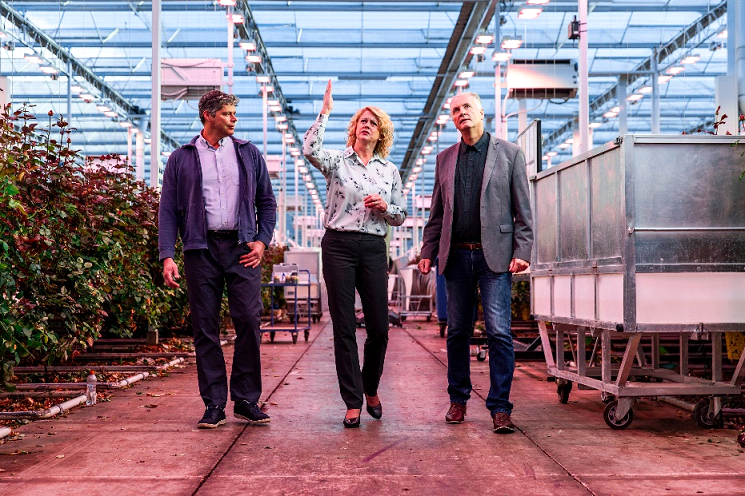
The greenhouse horticulture sector is on the brink of immense transformation. During recent sessions for Achmea colleagues and during Let's Connect, a network meeting for the Dutch Food & Flower industry, our experts shared their vision for the greenhouse of the future.
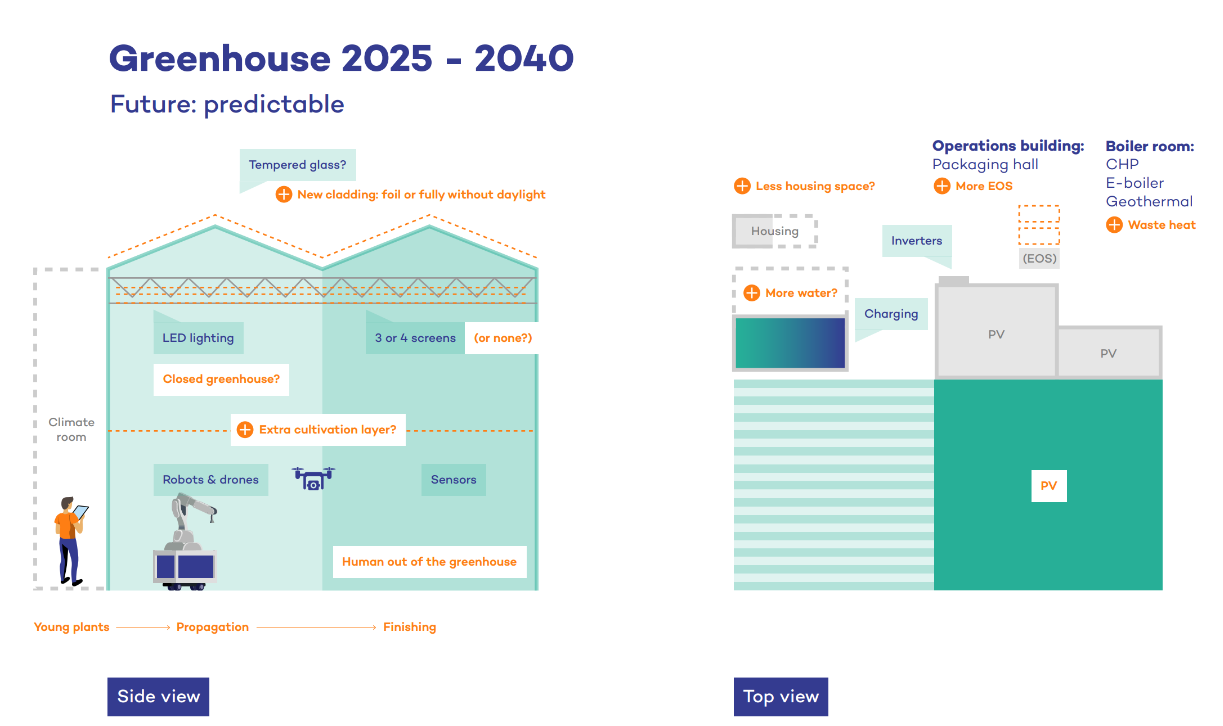
Greenhouse horticulture is experiencing rapid change. This demands a resilient, future-proof approach where sustainability and certification play a central role. Key drivers of innovation in the sector are: Bart Stengs, board member of HortiQ on behalf of Hagelunie, outlined a clear vision for the future. This vision aligns perfectly with the ambitions of Glastuinbouw Nederland - the leading entrepreneurial network in the Dutch greenhouse horticulture sector. The sector aims to achieve: Greater ambitions also mean higher demands placed on greenhouses and growers. Collaboration, reliable materials and well-designed processes will become even more crucial. An important component of this is independent quality assurance systems. Examples are KIWA, and objective quality labels such as HortiQ, which ensure reliable assessment of greenhouses and installations. The goal is not necessarily smarter construction, but more about ensuring everyone feels safer. Certification helps reduce uncertainty and increases confidence. The Hortivation video also highlights the many years of active cooperation on innovation, including through the new Hortipower Innovation Programme, which strengthens cooperation between the public sector, companies, partners and growers. Stan van Stralen, technical specialist in greenhouse horticulture at Achmea, showed the sweeping changes that have taken place in greenhouses over the past 15 years. “Modern greenhouses have become far more complex with more screens, insect screens, various types of lighting, automation, sensors and energy storage,” says Stan. Climate change and more extreme weather conditions, combined with less predictable availability of materials, place new demands on construction and maintenance. The focus is shifting from ever-higher yields to more consistent cultivation and ensuring supply chain security. Disruption in the supply chain must be avoided, especially when maintenance or replacement is not always possible immediately. Precisely for this reason, the predictability and reliability of new greenhouses is becoming increasingly important. At the same time, innovations such as new heating technology, electrification and robotisation bring new opportunities. Stan identifies four construction options for the future: The panel of experts at the networking meeting agreed on the importance of a sustainable, long-term vision: developing plans that look further ahead, building more robust structures, and conducting thorough risk assessments. As an insurer, we support this approach and consider it the right path toward a resilient future. Together with partners, brokers and customers, we actively commit to ensuring business continuity. We continually monitor developments in the sector in the Netherlands and put our experts to work together on future-proof solutions. As part of the Dutch HortiQ initiative, we integrate international knowledge with Dutch expertise. This also helps guarantee the high quality of Dutch greenhouse construction internationally and delivers quality improvement, cost savings and contributes to optimal support for greenhouse growers. In concrete terms, we apply our knowledge through risk inspections and advisory services, in which we assess new constructions, modifications and existing greenhouses. Together with risk specialists, we examine the strengths and identify areas for improvement and how to ensure the risks remain manageable. In this way, we provide growers with practical support: reassuring where possible and offering actionable advice where necessary. By combining local innovation with international experience and application, we not only facilitate the greenhouse of the future, but also ensure it is safe, sustainable and future-proof, nationally and worldwide. More information? Stay up to date with the latest developments in the industry, our risk prevention tips and follow us on LinkedIn.Vision of HortiQ and Hagelunie: certification is key.
Collaborating on continuity and innovation
The greenhouse: increasing complexity or future-proof
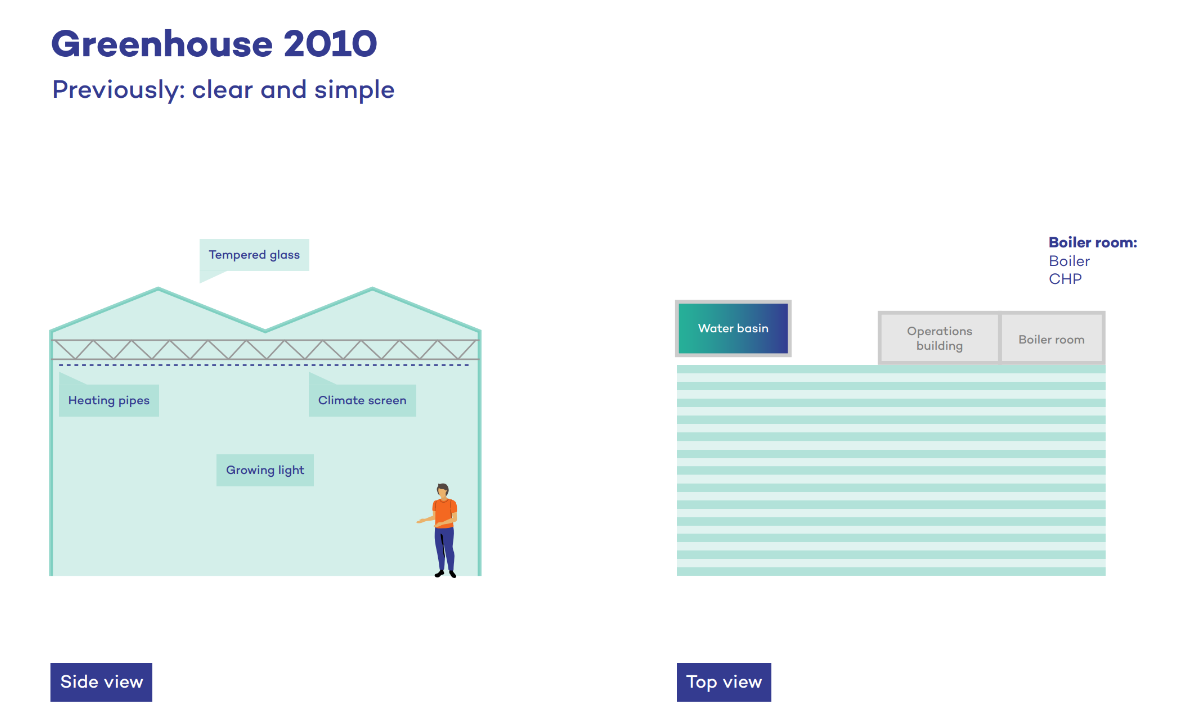
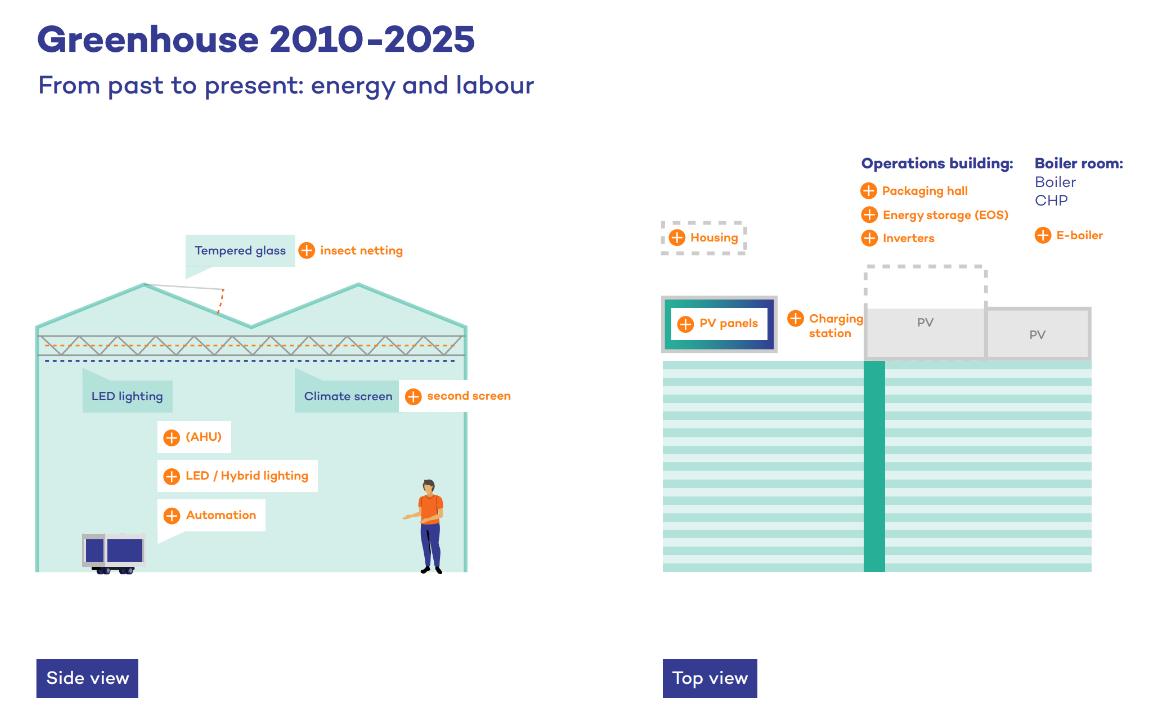
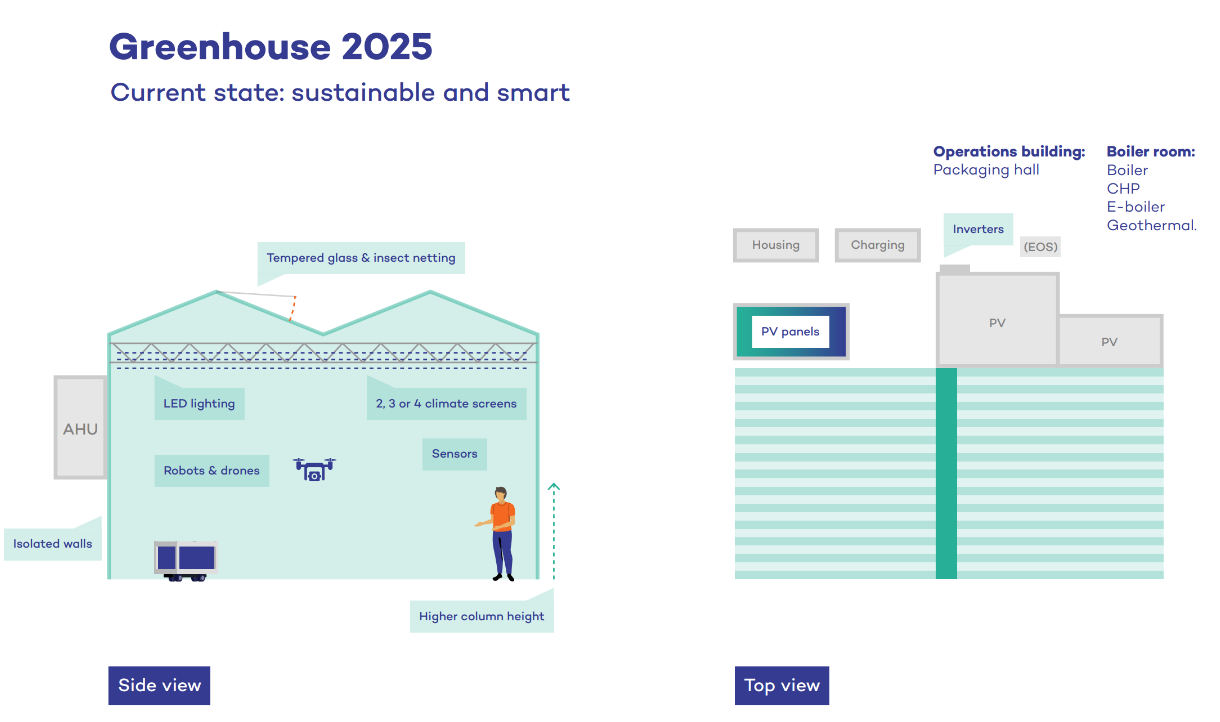
Hagelunie designing the blueprint for future-proof greenhouses